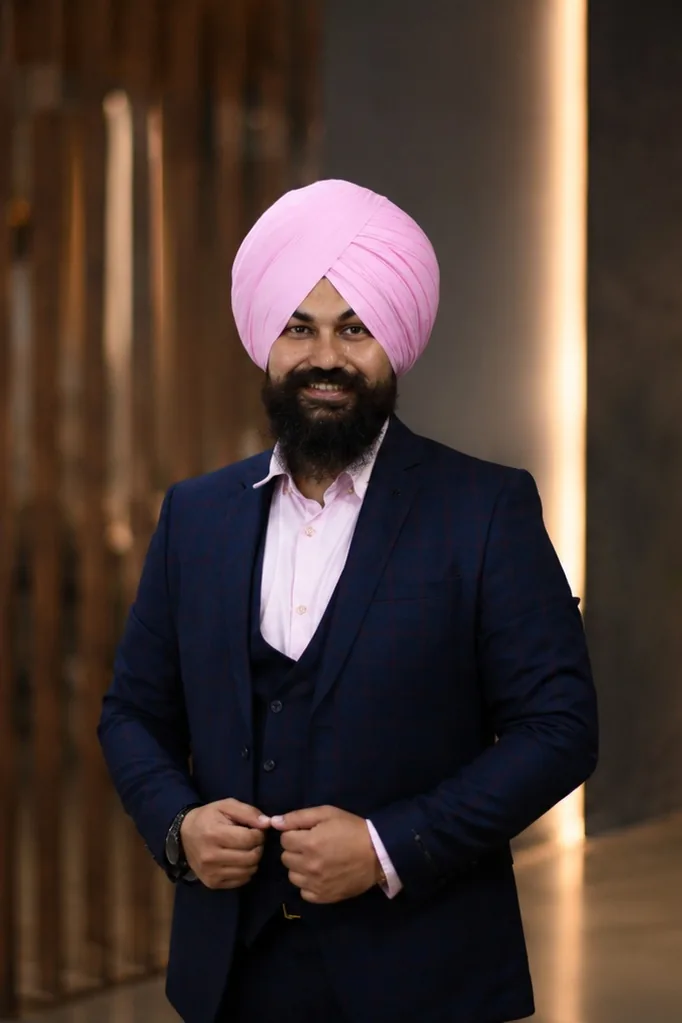
I help enterprise teams frame the right problems and turn complexity into meaningful product outcomes.
Four industries. One consistent approach — understanding the problem before designing the solution.
Redesigning how enterprise sales teams navigate complexity — transforming a product catalog into a decision-support system that serves client needs, not internal org charts.
Designing for the worst moment — a wellness app built for users in active distress, inverting the onboarding model to deliver relief before registration.
Redesigning the world's pandemic early warning system — transforming a genomic data platform into a multi-stakeholder decision-support system across 195 countries.
Enhancing the human-AI collaboration model for invoice review — improving approval confidence and reducing cognitive load without disrupting a working platform.
I work end to end across complex enterprise products, from discovery to delivery. My job starts before any design tool is opened: aligning business objectives, clarifying the real problem, and making sure the team commits to solving the right thing.
Most briefs describe a solution, not a problem. I work with business and product stakeholders to surface what is actually being optimised and align teams around it before any design direction is set. Getting the problem statement right at the start is the highest-return investment on any project.
Research exists to replace assumptions with evidence. I structure it to surface what teams believe but have not yet proven, and what users experience but struggle to articulate. The result is a shared understanding of what is true, not a report that gets filed and forgotten.
Good design validates decisions rather than decorates screens. I work from structure outward: information architecture and interaction model before visual expression, testing concepts against real complexity rather than idealised flows. By the time something looks finished, its logic has already been proven.
The best design can fail at handoff. I stay close to the build to keep design intent intact as technical constraints surface, making trade-offs visible before they become irreversible decisions. What gets measured after launch determines whether the next cycle improves or simply repeats.
I lead product design for complex enterprise products in banking, healthcare, and SaaS. The hardest part is rarely the design — it is deciding what to actually build, and why.
I start every engagement before wireframes exist. Reframing the brief, aligning stakeholders, and establishing the real problem is where most of my energy goes. Clarity at the start is worth ten rounds of revisions later.
AI has become a genuine thinking partner in how I work. I use it to pressure-test assumptions, surface alternative framings, and compress the research phase — not to move faster, but to think more clearly.
Outside work I travel, go off-roading, train, and practise Sewa (selfless community service). It keeps me grounded and gives me a perspective I can't find at a desk.
The most expensive product mistake is solving the wrong problem beautifully.
Let's work together
Have a complex problem that needs a strategic design perspective? I'd like to hear about it.